Cannabis product regulations in the United States can be confusing because federal law, state cannabis programmes and rules governing hemp-derived products do not always follow the same approach. A product’s legal status can depend on its cannabinoid content, how it was produced, the type of product being sold and the state where it is purchased.
For consumers, one distinction is particularly important: hemp-derived does not automatically mean unrestricted, and state-legal cannabis does not automatically mean federally legal for every purpose.
The regulatory landscape is also changing. Developments in 2026, including adjustments to marijuana scheduling and amendments to the federal definition of hemp, have made it even more important to understand product labels, laboratory documentation and seller disclosures.
Knowing what these rules mean can help shoppers make more informed decisions, recognise potentially misleading claims and avoid products that may not be permitted in their location.
How Is Cannabis Classified Under US Federal Law?
Federal law generally distinguishes between hemp and marijuana, although the definitions and regulatory treatment are evolving.
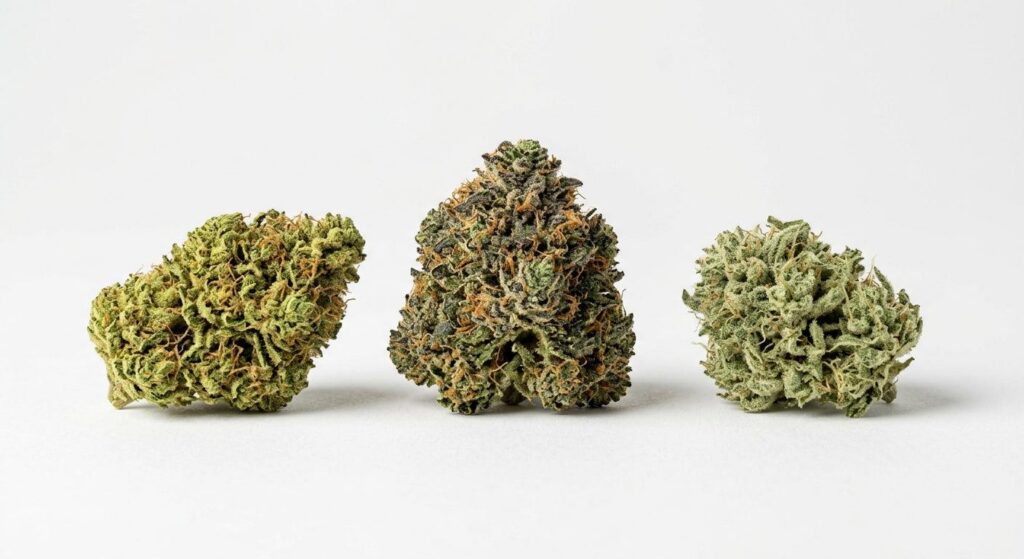
Under the 2018 Farm Bill, hemp was defined as cannabis and its derivatives containing no more than 0.3% delta-9 THC by dry weight. Material meeting that definition was removed from the federal Controlled Substances Act (CSA) definition of marijuana.
Cannabis outside the federal hemp definition remained subject to the CSA’s marijuana controls.
A significant development occurred on April 23, 2026, when the Department of Justice placed FDA-approved marijuana products and qualifying marijuana products covered by state medical marijuana licences in Schedule III of the CSA. The department also initiated a separate process to consider broader marijuana rescheduling.
This change is important, but it does not mean that all cannabis products are now federally legal. The Schedule III action applies to the specified FDA-approved and qualifying state-licensed medical products. It does not automatically extend to every adult-use marijuana product or every cannabis-derived item sold commercially.
Consumers should therefore avoid assuming that a product is legal nationwide simply because it is available through a state-regulated dispensary.
What Is the Difference Between Hemp-Derived and Marijuana Products?
Hemp-derived and marijuana products come from the same cannabis plant, but their legal classification can differ.
The traditional federal distinction has centred on THC concentration. Hemp products meeting the applicable federal definition are generally excluded from the CSA definition of marijuana, while cannabis products outside that definition may be treated as marijuana.
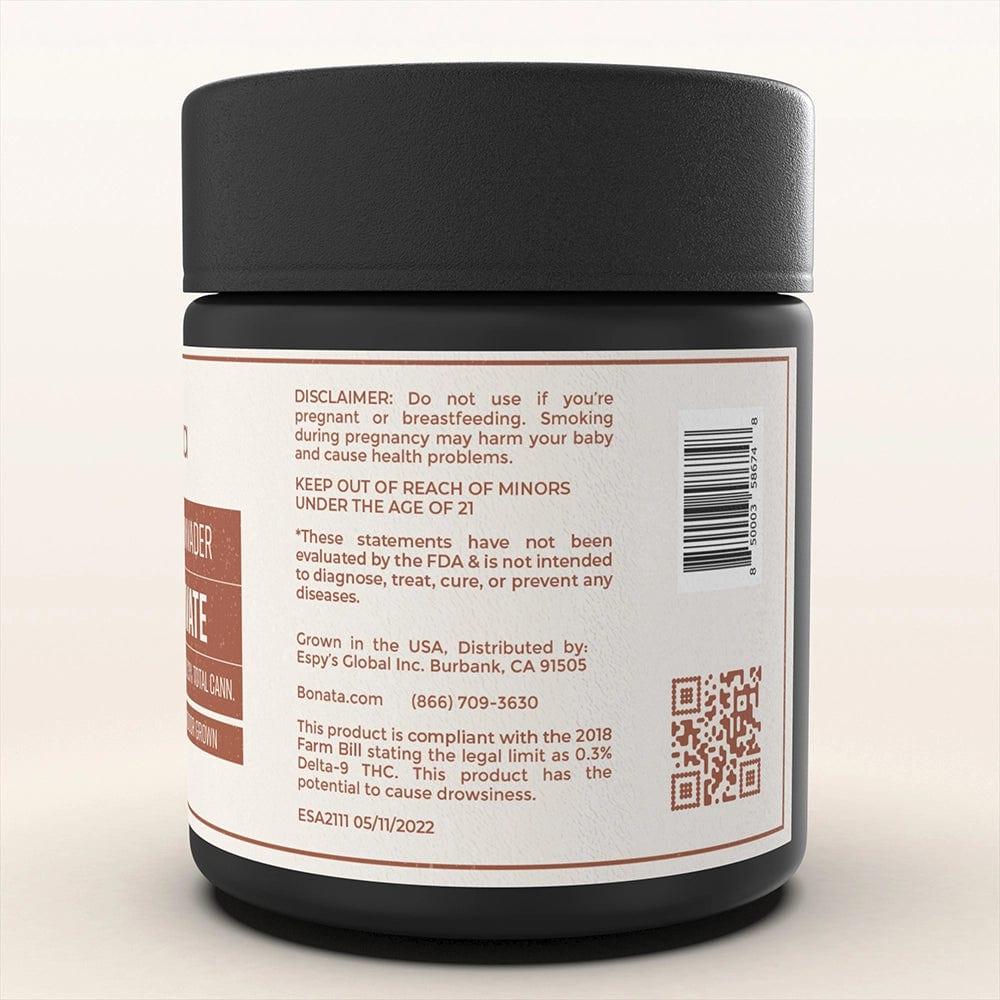
The difference is not necessarily visible from the product itself. Hemp-derived products can contain cannabinoids with intoxicating effects, depending on their formulation and concentration.
Consumers may encounter several categories:
- CBD products: Formulations containing cannabidiol, a cannabinoid that does not produce the typical THC-associated high.
- Hemp-derived THC products: Products containing THC compounds obtained or produced from hemp-derived material.
- THCA products: Products containing tetrahydrocannabinolic acid, a cannabinoid that can convert into delta-9 THC when heated.
- Marijuana products: Cannabis products regulated under applicable state medical or adult-use cannabis programmes, subject to federal restrictions.
The label “hemp-derived” is not a complete explanation of a product’s composition or legal status. Consumers should examine the cannabinoid profile, manufacturing information and applicable laws before purchasing.
This is particularly relevant when evaluating online retailers selling THCA flower or other hemp-derived cannabinoid products. The product category, cannabinoid content and applicable federal and state definitions all matter.
How Are Federal Hemp Regulations Changing in 2026?
Federal hemp regulations are changing, and consumers should pay attention to the revised definition scheduled to take effect in stages.
Legislation enacted in November 2025 amended the federal definition of hemp. Among other changes, the revised definition uses a total THC concentration threshold rather than relying only on delta-9 THC. It also introduces exclusions for certain manufactured cannabinoids and hemp-derived cannabinoid products exceeding specified limits.
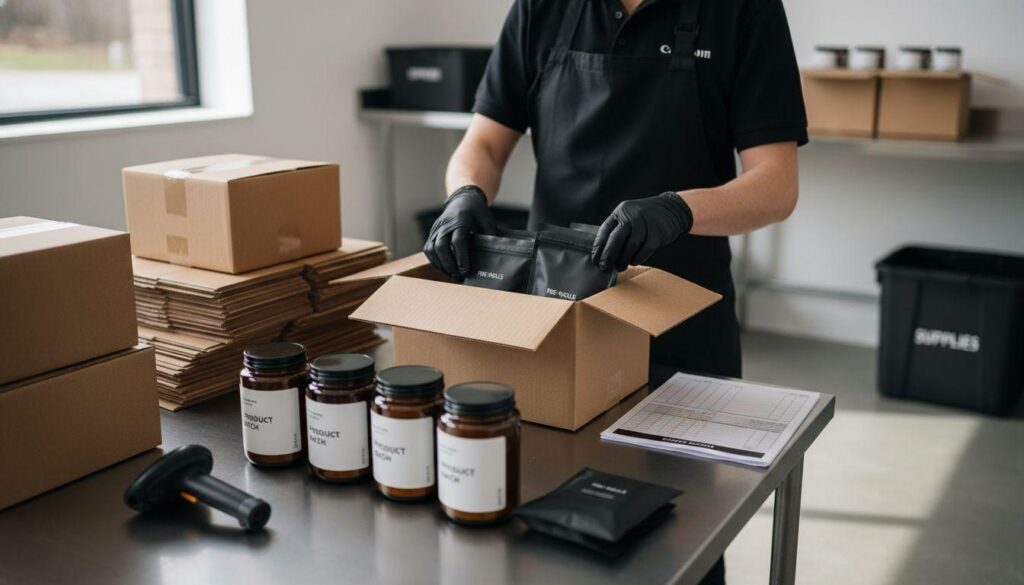
However, Congress subsequently delayed most of these amendments until December 11, 2026.
As of November 18, 2026, one important part has already taken effect. Since November 12, hemp-derived cannabinoid products containing cannabinoids that cannot be naturally produced by the cannabis plant are excluded from the hemp definition. The remaining major changes are scheduled for December 11, 2026, unless further legislation changes the timetable.
The revised definition includes a limit of 0.3% total THC for relevant plant and intermediate material. It also establishes a combined 0.4-milligram threshold per container for total THC and certain other cannabinoids with similar effects in qualifying final hemp-derived cannabinoid products.
These changes could significantly affect the availability and federal classification of products currently sold as hemp-derived.
Consumers should not assume that a product sold under an earlier interpretation of the hemp rules will continue to qualify under the revised definition. Product formulations, cannabinoid sources and packaging may all become relevant.
For brands, this creates a need for clear product information and careful monitoring of regulatory developments. For consumers, it reinforces the importance of checking current disclosures rather than relying on older descriptions or general claims about federal hemp compliance.
What Role Does the FDA Play in Cannabis Product Regulations?
The US Food and Drug Administration (FDA) regulates cannabis-derived products under the federal food, drug and cosmetic framework.
This authority is separate from the Controlled Substances Act classification of hemp and marijuana. In other words, a product qualifying as hemp under the Farm Bill is not automatically exempt from FDA requirements.
The FDA has approved specific cannabis-related prescription medicines, including Epidiolex, a purified CBD-based medicine for certain seizure disorders. It has also approved certain cannabis-related medicines containing synthetic THC-related ingredients.
However, those approvals do not extend to every CBD oil, edible, flower product or other cannabis-derived item available commercially.
Consumers should be especially careful with products marketed as foods, dietary supplements or treatments for medical conditions.
For example, the FDA has stated that CBD and THC products are excluded from the federal dietary supplement definition in the circumstances described under the Federal Food, Drug, and Cosmetic Act. Companies also cannot make unsupported claims that a product diagnoses, treats, cures or prevents a disease.
A product’s presence in an online store does not establish that it has FDA approval or meets every applicable federal requirement.
Why Do State Cannabis Laws Matter?
State laws determine many of the practical rules consumers encounter when purchasing cannabis products.
Some states permit both medical and adult-use cannabis sales, while others allow only medical programmes or maintain more restrictive laws. States also establish their own licensing, product testing, packaging, labelling and retail requirements.
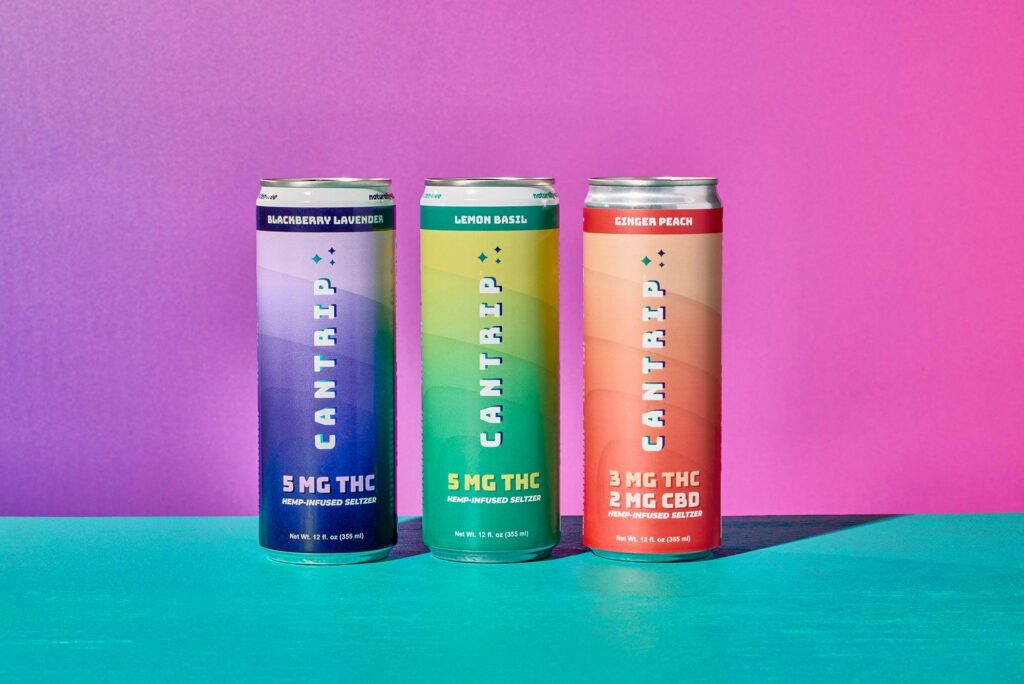
Depending on the jurisdiction, consumers may encounter rules covering:
- Minimum purchase age.
- Medical cannabis registration or eligibility.
- Permitted product categories.
- THC concentration and serving limits.
- Packaging and warning labels.
- Testing and contamination standards.
- Retail licensing and approved sales channels.
- Possession and purchase limits.
These requirements can differ significantly between states. A product available through a licensed retailer in one state may be restricted or prohibited in another.
Hemp-derived intoxicating products also face state-specific rules. Some states have introduced additional restrictions or licensing requirements, even where a product might otherwise qualify under a federal hemp definition.
Before purchasing, consumers should check the rules of the state where they are physically located rather than relying on information from another state or an online seller.
What Should Consumers Check Before Buying Cannabis Products?
Consumers should check a product’s legal status, composition, testing documentation and seller information before completing a purchase.
A few practical checks can help reduce uncertainty.
Review the cannabinoid content. Check whether the product contains CBD, delta-9 THC, THCA or other cannabinoids. Pay attention to the amount per serving and per package.
Look for laboratory testing. A current Certificate of Analysis (COA) can provide information about cannabinoid concentrations and, when included in the testing scope, contaminants such as pesticides, heavy metals and residual solvents.
Check the product batch. Ideally, the laboratory report should correspond to the specific batch being sold. An unrelated or outdated report provides limited reassurance.
Read the ingredient and warning labels. Check the full ingredient list, age restrictions, storage instructions and relevant product warnings.
Verify the seller. For regulated marijuana products, confirm that the retailer is licensed under the relevant state programme. For hemp-derived products, review the seller’s business information and product documentation.
Confirm local restrictions. Check whether the product category is permitted in your state and whether any additional purchase or possession rules apply.
These checks are useful when evaluating any online hemp retailer. A professional-looking product page or a statement that a product is laboratory tested should not replace independent review of the available information.
Can Consumers Buy Cannabis Products Online and Across State Lines?
Online availability does not automatically establish that a cannabis product can legally be purchased or shipped to every destination.
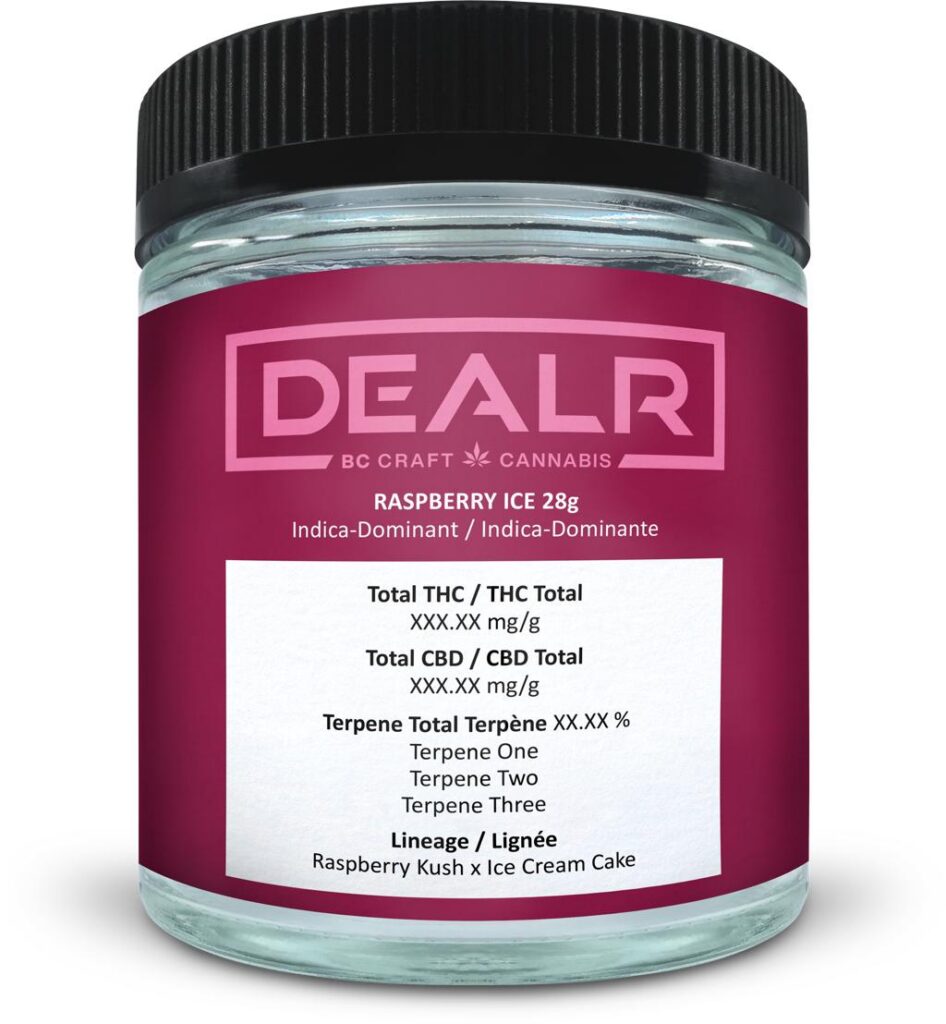
Licensed state cannabis markets generally operate within state-specific regulatory systems. Their products are not automatically authorised for interstate commerce simply because both the origin and destination states permit some form of cannabis sales.
Hemp-derived products also face federal and state restrictions. A product’s classification, ingredients, shipping destination and applicable FDA requirements can all affect whether an online sale is permitted.
Some sellers restrict shipments to particular states or refuse orders from locations where their products may not be allowed. Consumers should review these restrictions before placing an order.
Taking cannabis products across state lines can create additional legal complications, even when the products were purchased legally in the state of origin. Travellers should not assume that state permission carries over across state borders.
How Do Responsible Hemp Brands Communicate Regulatory Information?
Responsible hemp businesses can help consumers make informed decisions by presenting product details, laboratory reports, age restrictions and shipping limitations clearly.
LIT Farms provides an example of how an online hemp retailer can make product documentation easier to find. Its dedicated Certificates of Analysis library gives customers access to laboratory documentation for selected drinks and links to flower COAs through individual product pages.
The distinction between a general COA library and a product-specific report matters. LIT Farms states that flower certificates can change as batches change, so customers should check the relevant product page for the latest available documentation.
For shoppers considering THCA flower, this makes it easier to examine the information associated with individual listings instead of relying solely on a general statement about laboratory testing. For example, the GMO THCA Flower product page describes third-party testing for cannabinoid content, terpenes, residual solvents, pesticides and heavy metals. Consumers should still review the actual report to understand its results and testing scope.
LIT Farms also publishes customer-facing notices through its website. Its shipping policy identifies states to which certain products are not available for shipment and states that products containing THC are intended for adults aged 21 and older. It also includes warnings about drug testing, pregnancy and nursing, and the importance of keeping products away from children.
These disclosures give customers useful information when evaluating an online retailer. However, they do not establish that every product is permitted in every state or that a laboratory report guarantees safety or legal compliance.
The broader lesson is that transparency involves more than displaying a laboratory report. Brands should explain what their products contain, what testing covers, where sales may be restricted and which warnings consumers should understand.
What Other Safety Considerations Should Cannabis Consumers Understand?
Legal availability and product testing do not mean that cannabis products are risk-free.
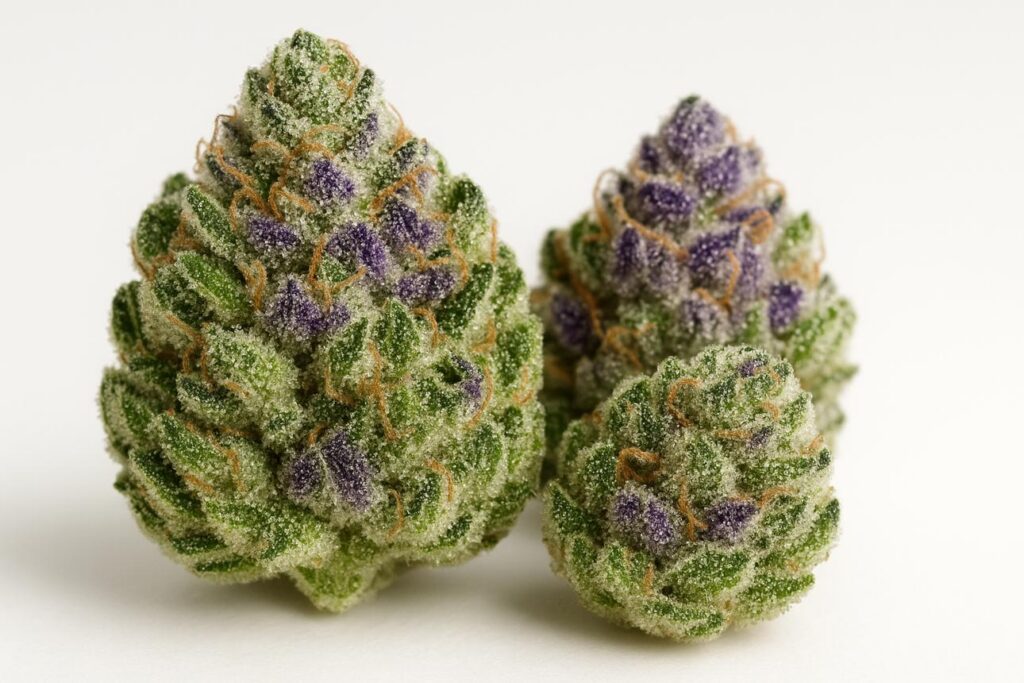
THC can affect coordination, attention, judgement and reaction time. Consumers should not drive or operate machinery while impaired. Products containing THC should also be stored securely and kept away from children and pets, particularly when they resemble familiar foods or beverages.
People who take prescription medicines, have underlying health concerns, or are pregnant or breastfeeding should seek appropriate medical guidance before using cannabis-derived products.
Consumers should also understand that a product’s cannabinoid concentration does not establish that it is suitable for a particular medical condition. Avoid relying on unsupported therapeutic claims or treating commercially available products as substitutes for prescribed care.
Final Thoughts
Cannabis product regulations in the United States are evolving, making it increasingly important for consumers to understand the difference between federal classification, state-level rules and FDA oversight.
The 2026 changes to medical marijuana scheduling and the federal hemp definition demonstrate why older assumptions about product legality may no longer be reliable. The April Schedule III action applies to specific medical products and qualifying state-licensed medical marijuana products; it should not be interpreted as nationwide legalisation of cannabis.
Before purchasing, consumers should check cannabinoid content, laboratory documentation, seller information, age requirements and local restrictions. For hemp-derived products in particular, the label alone is not enough to establish legal status.
Retailers such as LIT Farms make product documentation and certain purchasing disclosures available through their websites, giving consumers information they can examine as part of their own evaluation. Ultimately, informed purchasing depends on looking beyond marketing claims and understanding what the product contains, what the documentation actually verifies and whether the product is permitted where it will be used.