World COPD Day takes place on 18 November 2026, raising awareness of chronic obstructive pulmonary disease (COPD) and the importance of earlier diagnosis, appropriate treatment and ongoing support. This year’s theme, Early Diagnosis and Management for a Better Life, highlights how recognising symptoms and accessing the right care can make a meaningful difference to people living with the condition.
COPD affects the lungs and can cause persistent coughing, mucus production, wheezing and breathlessness. Although there is currently no cure, medical treatment and practical lifestyle changes can help people manage symptoms and maintain their quality of life.
Nutrition, hydration, physical activity and general wellbeing are important parts of everyday self-care. For UK shoppers interested in nutritional products, iHerb offers a broad selection of vitamins, minerals, supplements and wellness essentials. This guide explores useful product categories, everyday nutrition considerations and healthy lifestyle habits, while explaining why supplements should complement rather than replace prescribed COPD treatment.
World COPD Day 2026: Understanding the Importance of Respiratory Health
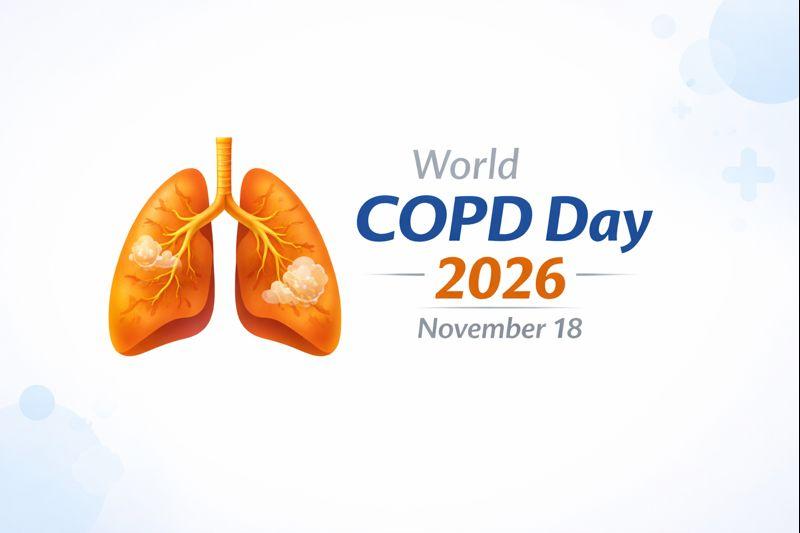
World COPD Day is organised by the Global Initiative for Chronic Obstructive Lung Disease (GOLD) and observed internationally on 18 November.
The 2026 theme, Early Diagnosis and Management for a Better Life, focuses on identifying COPD sooner and improving access to appropriate care. COPD is often associated with smoking, but exposure to air pollution, workplace dust, fumes and other environmental factors can also contribute.
Common symptoms include:
- Persistent coughing, sometimes with mucus.
- Breathlessness during everyday activities.
- Wheezing or chest tightness.
- Frequent chest infections.
- Unusual tiredness or reduced exercise tolerance.
Anyone experiencing persistent respiratory symptoms should speak to their GP. Diagnosis commonly involves spirometry, a breathing test that measures how well the lungs work.
Early assessment matters because appropriate treatment, smoking cessation support and pulmonary rehabilitation can help people manage the condition more effectively.
Everyday Nutrition for People Living with COPD
A balanced diet can support general health, maintain muscle strength and help people manage their energy levels. Nutrition is particularly important for people with COPD because breathing can require additional effort, while fatigue and breathlessness may make preparing or eating meals more difficult.
A practical eating routine should include:
Protein-rich foods: Eggs, fish, chicken, yoghurt, beans and lentils provide protein needed for muscle maintenance. Maintaining muscle strength can be particularly important when everyday activities feel physically demanding.
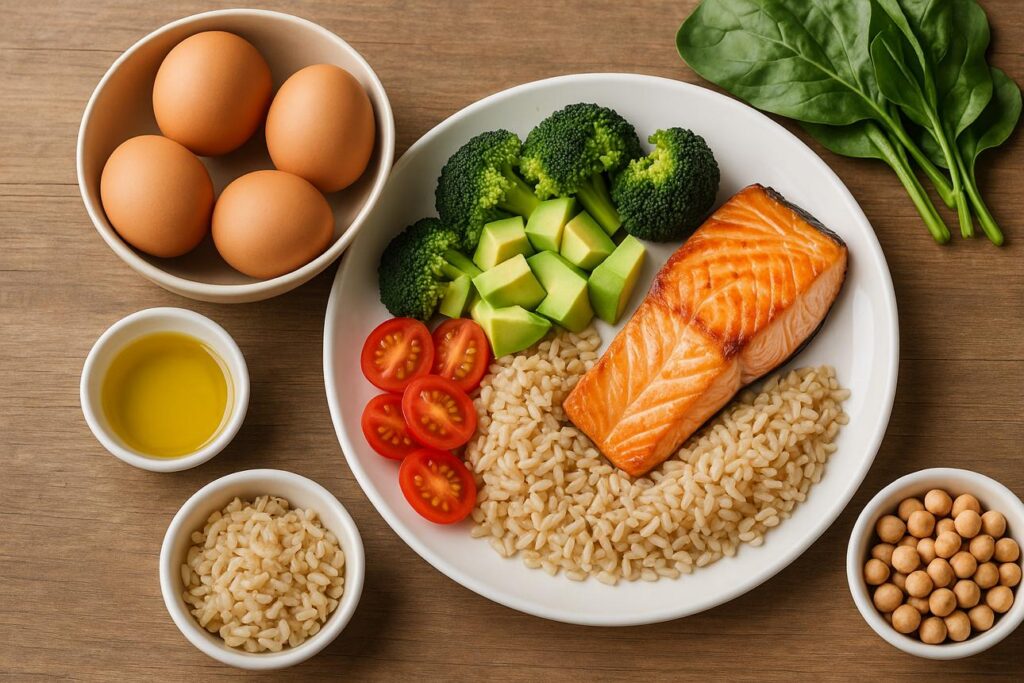
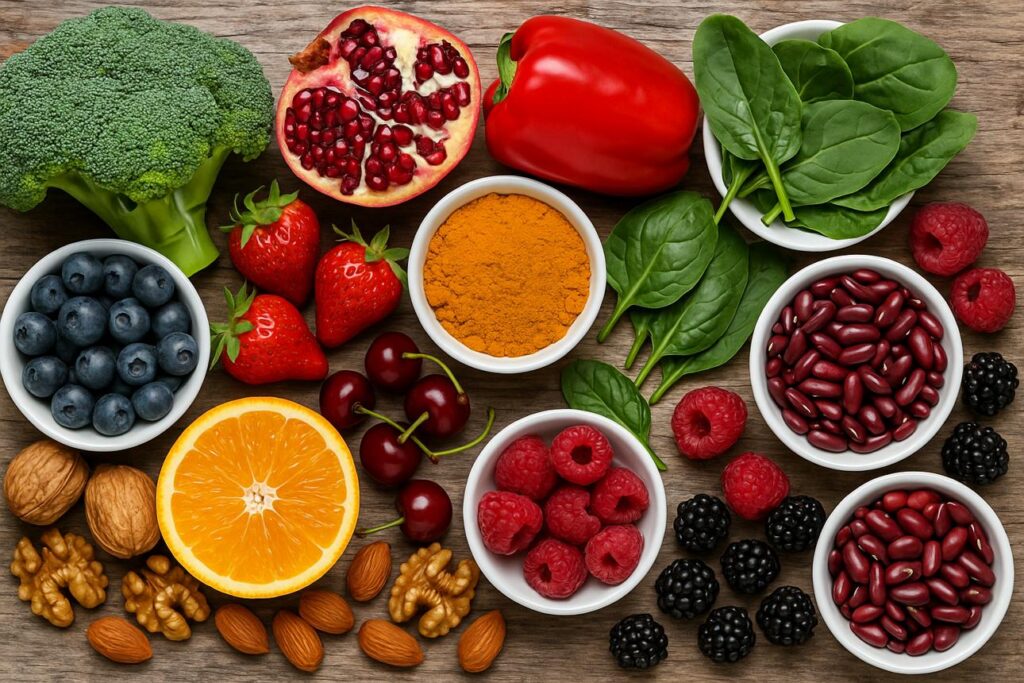
Fruit and vegetables: A variety of colourful fruit and vegetables provides vitamins, minerals and fibre. Berries, citrus fruits, leafy greens, carrots and broccoli are useful additions to balanced meals.
Healthy fats: Olive oil, nuts, seeds and oily fish provide energy and important nutrients. Oily fish such as salmon, sardines and mackerel also provide omega-3 fatty acids.
Wholegrains: Oats, wholemeal bread, brown rice and other wholegrains provide fibre and contribute to a balanced diet.
People with COPD may have different nutritional needs depending on their weight, symptoms and activity levels. Some may need additional calories and protein, while others may benefit from managing excess weight. A GP or registered dietitian can help determine an appropriate eating plan.
Vitamins and Minerals: Everyday Wellness Essentials at iHerb
Vitamins and minerals contribute to normal body functions, including immune health, energy metabolism, muscle function and bone maintenance. iHerb offers a wide range of nutritional supplements, making it possible to compare different formulations and serving sizes.
Some categories worth exploring include:
Vitamin D: Vitamin D contributes to normal immune system function, muscle function and bone health. UK guidance recommends that adults and children over four consider taking 10 micrograms daily during autumn and winter. People with COPD may have additional reasons to discuss vitamin D levels with their healthcare team.
Vitamin C: This vitamin contributes to normal immune system function and helps protect cells from oxidative stress. Food sources include oranges, berries, peppers and broccoli.
Magnesium: Magnesium contributes to normal muscle function and energy-yielding metabolism. It is available in different supplement forms, including magnesium citrate and magnesium glycinate.
Zinc: Zinc contributes to normal immune system function and helps protect cells from oxidative stress. It is found naturally in foods such as meat, shellfish, dairy products, beans and nuts.
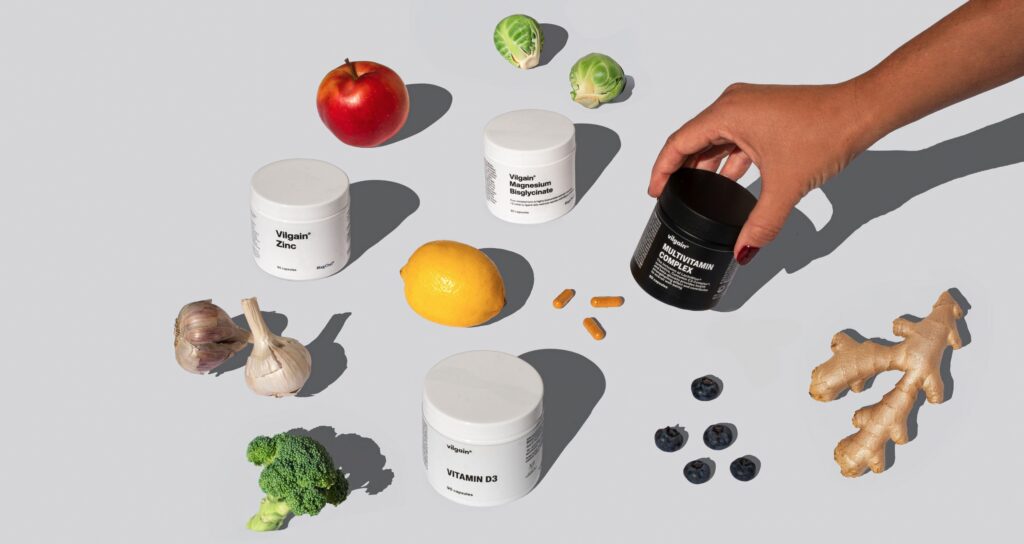
Multivitamins: These combine several vitamins and minerals in one product and may be useful for people who have difficulty meeting certain nutritional requirements through food.
These nutrients support general health, but taking additional vitamins does not treat COPD or reverse lung damage. Choose supplements according to individual requirements rather than assuming higher doses provide greater benefits.
Omega-3 Supplements and Healthy Fat Sources
Omega-3 fatty acids are important dietary fats found in oily fish and certain plant foods. They contribute to normal heart function, while DHA also contributes to the maintenance of normal brain function and vision.
iHerb offers different omega-3 supplement formats, including fish oil capsules and plant-based alternatives.
When comparing products, consider:
- EPA and DHA content: Check the amount of these individual fatty acids rather than relying only on the total fish oil quantity.
- Source: Fish oil and algae-based omega-3 products offer different dietary options.
- Serving instructions: Compare the recommended daily serving and amount provided per dose.
- Quality information: Look for clear ingredient details, storage instructions and relevant quality testing information.
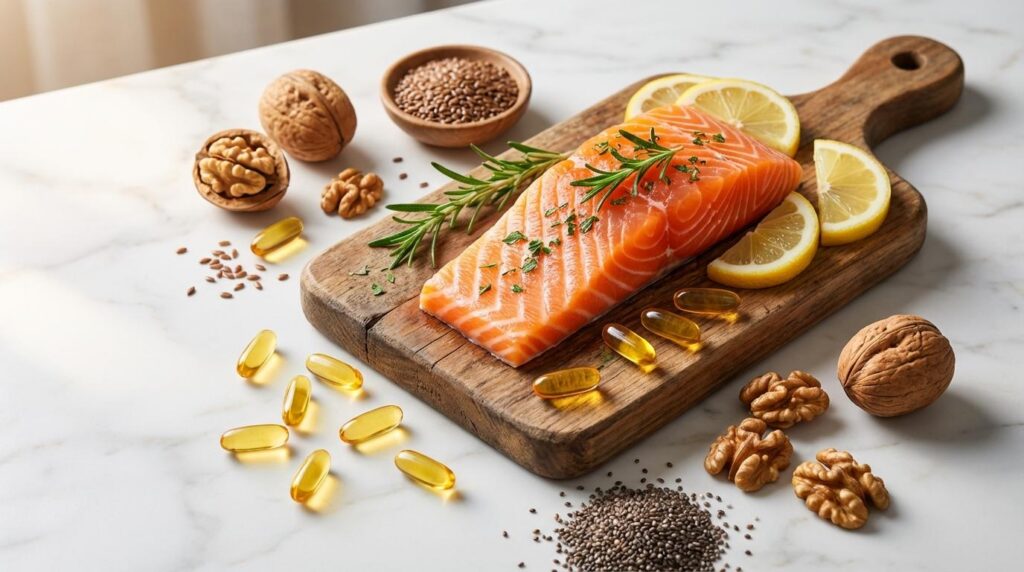
Oily fish, walnuts, chia seeds and flaxseeds can also contribute to a balanced diet.
Although omega-3 supplements are popular in wellness routines, they should not be presented as a treatment for COPD. Anyone taking blood-thinning medication or managing a long-term condition should ask a healthcare professional before starting an omega-3 supplement.
Antioxidants and Plant-Based Wellness Supplements
Antioxidants help protect cells from oxidative stress. A varied diet containing fruit, vegetables, nuts, seeds and wholegrains provides a natural range of antioxidant compounds.
For shoppers exploring iHerb’s supplement selection, some commonly available categories include:
Coenzyme Q10: A naturally occurring compound involved in cellular energy production. It is also sold as a dietary supplement.
Quercetin: A plant compound found in foods such as apples, onions and berries. Quercetin supplements are marketed for various wellness purposes, but evidence is insufficient to recommend them as a COPD treatment.
Turmeric and curcumin: Turmeric contains curcumin, a compound studied for its biological properties. Supplement formulations can vary considerably, and evidence does not establish turmeric supplements as a treatment for respiratory disease.
Green tea extracts: These provide concentrated plant compounds, but they are not equivalent to drinking green tea and may have additional safety considerations.
It is important to distinguish general nutritional support from medical treatment. Some concentrated botanical supplements can interact with prescription medicines or cause unwanted effects. People with COPD should discuss new supplements with their GP or pharmacist before using them.
Hydration and Everyday Wellness Products
Staying hydrated is an important part of general wellbeing. Drinking enough fluid supports normal bodily functions and can help maintain comfortable hydration throughout the day.
For people living with COPD, hydration needs may vary according to activity, medication, other health conditions and medical advice.

iHerb offers several everyday hydration and wellness categories, including:
- Electrolyte powders: Formulations containing minerals such as sodium and potassium, often used during prolonged exercise or significant sweating.
- Effervescent vitamin products: Dissolvable supplements that provide selected vitamins and minerals.
- Herbal teas: Caffeine-free options can provide variety as part of a daily fluid routine.
- Reusable wellness accessories: Water bottles and other practical products can help make regular hydration easier.
Electrolyte supplements are not necessary for everyone, and ordinary water is generally sufficient for everyday hydration. People with heart or kidney conditions, fluid restrictions or prescribed diuretics should follow their healthcare team’s advice.
Healthy Lifestyle Habits That Support COPD Management
Supplements are only one small part of a broader wellness routine. Several lifestyle measures have a more established role in COPD management.
Stop smoking: If you smoke, quitting is one of the most important steps you can take to protect your respiratory health. NHS stop-smoking services and healthcare professionals can provide support.
Stay physically active: Gentle walking, cycling or other suitable activities can help maintain fitness. A healthcare professional can recommend an appropriate activity level.
Consider pulmonary rehabilitation: This structured programme combines exercise, education and practical support for people living with respiratory conditions.
Reduce exposure to triggers: Smoke, dust, fumes, strong fragrances and air pollution can aggravate symptoms. Identifying and avoiding personal triggers may help.
Keep vaccinations up to date: Discuss recommended flu, COVID-19 and pneumococcal vaccinations with your healthcare team.
Follow your treatment plan: Continue prescribed inhalers and other medicines as directed. Do not replace or change treatment with supplements.
If breathing suddenly becomes much worse, seek urgent medical advice. Severe breathing difficulty requires emergency medical attention.
How to Choose Wellness Supplements at iHerb UK
When shopping for respiratory wellness products UK consumers can access through iHerb, it is important to focus on product quality, suitability and transparent labelling.
Consider these points before purchasing:
- Read the full ingredient list: Check active ingredients, quantities, allergens and additional components.
- Compare serving sizes: A product with a larger bottle may not necessarily offer better value.
- Check dietary suitability: Look for vegetarian, vegan, allergen-free or other relevant product information.
- Avoid excessive doses: More vitamins and minerals do not automatically mean better health outcomes.
- Review medication interactions: Ask a pharmacist or GP before combining supplements with prescribed COPD medicines.
- Check UK delivery information: Review shipping costs, delivery estimates, product availability and any applicable import charges before ordering.
iHerb provides a convenient way to compare international wellness brands and different supplement formats. However, choose products for their nutritional value and suitability rather than claims suggesting they can prevent or treat lung disease.
Frequently Asked Questions
When is World COPD Day 2026?
World COPD Day takes place on Wednesday, 18 November 2026. The theme is Early Diagnosis and Management for a Better Life.
What supplements are useful for people living with COPD?
Some people may need nutrients such as vitamin D, vitamin C or omega-3, depending on their diet and individual health requirements. Supplements should be selected with guidance from a healthcare professional and are not treatments for COPD.
Can vitamins improve lung function in people with COPD?
Vitamins support normal body functions, but there is no established evidence that taking extra vitamins reverses COPD or repairs damaged lungs. Follow your prescribed treatment plan and discuss nutritional concerns with your healthcare team.
What wellness products can I find at iHerb UK?
iHerb offers a broad selection of vitamins, minerals, omega-3 supplements, probiotics, herbal products, electrolyte powders and everyday wellness essentials. Product availability and delivery options can vary.
Is vitamin D important for people with COPD?
Vitamin D contributes to normal muscle function, bone health and immune system function. People with COPD may be at risk of low vitamin D, particularly if they spend less time outdoors. Ask your healthcare professional whether supplementation is appropriate.
Can herbal supplements replace COPD medication?
No. Herbal supplements cannot replace prescribed inhalers, medicines, pulmonary rehabilitation or other recommended COPD treatments. Some products may interact with medication, so always seek professional advice before using them.
Final Thoughts
World COPD Day 2026 highlights the importance of earlier diagnosis, appropriate treatment and practical everyday support for people living with chronic obstructive pulmonary disease. Good nutrition, adequate hydration, suitable physical activity and consistent medical care can all contribute to a more manageable wellness routine.
For UK shoppers exploring nutritional essentials, iHerb offers a wide selection of vitamins, minerals, omega-3 products, hydration supplements and plant-based wellness options. Compare ingredients carefully, choose products that suit your nutritional needs and consult a healthcare professional before introducing supplements, particularly if you have COPD or take regular medication.
The most effective approach is to combine informed nutritional choices with evidence-based respiratory care, healthy lifestyle habits and ongoing support from your healthcare team.