Getting enough protein on a vegan or dairy-free diet does not have to be difficult. Plant-based protein powders offer a convenient way to increase daily protein intake, support muscle maintenance and complement a balanced diet. With options made from pea, fava bean, soy and other plant ingredients, choosing the right formula comes down to protein content, amino acid profile, taste and dietary requirements.
Myprotein offers several plant-based nutrition options through its vegan protein range, including Impact Plant Protein, previously known as Impact Vegan Protein. Whether you’re following a fully vegan diet, avoiding dairy or simply looking to include more plant-based foods in your routine, this guide compares the available options and explains how to choose the best vegan protein powder in the UK.
Myprotein Impact Plant Protein: Everyday Plant-Based Nutrition
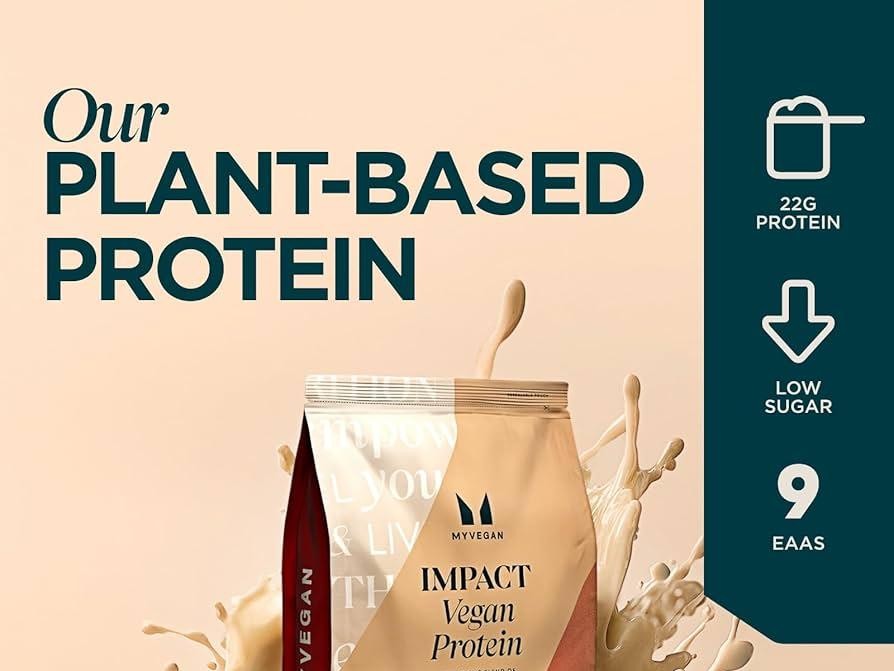
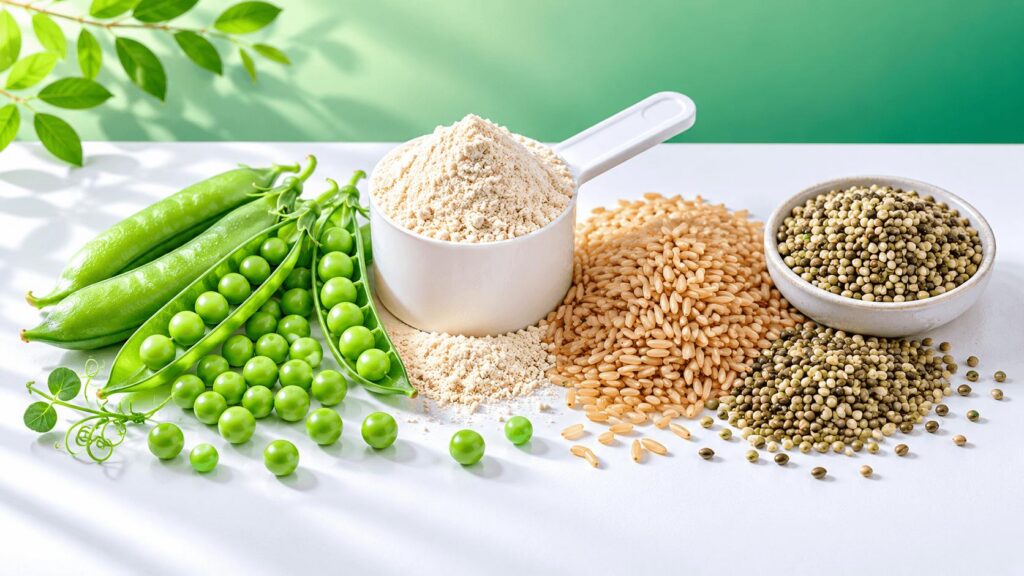
Impact Plant Protein is Myprotein’s main plant-based protein powder, previously sold under the Impact Vegan Protein name. Its updated formulation combines pea protein and fava bean protein to provide a complete amino acid profile.
Why consider Impact Plant Protein?
- Plant-based protein blend: Combines pea and fava bean protein rather than relying on a single plant source.
- Protein content: Provides around 22g of protein per 30g serving in flavoured varieties and up to 24g in the unflavoured version.
- Complete amino acid profile: The pea and fava combination supplies all nine essential amino acids.
- Low sugar: Offers a convenient protein source without a large amount of sugar.
- Flexible preparation: Mix with water or plant-based milk, or add it to smoothies and breakfast recipes.
The updated range includes flavours such as Chocolate, Strawberry, Vanilla, Salted Caramel, Coffee and Banana, alongside an unflavoured option.
Impact Plant Protein is suitable for vegans and can also appeal to people who simply want to reduce their reliance on dairy-based supplements.
Myprotein Vegan Protein Blend: A Convenient Protein Alternative
Myprotein’s Vegan Protein Blend is another product name shoppers may encounter when researching its plant-based range. Older product listings and packaging may use this name, while the updated UK range is marketed as Impact Plant Protein.
Previous formulations used different combinations of plant proteins, including pea and fava bean isolates. Some older versions may also contain different ingredients or nutritional values.
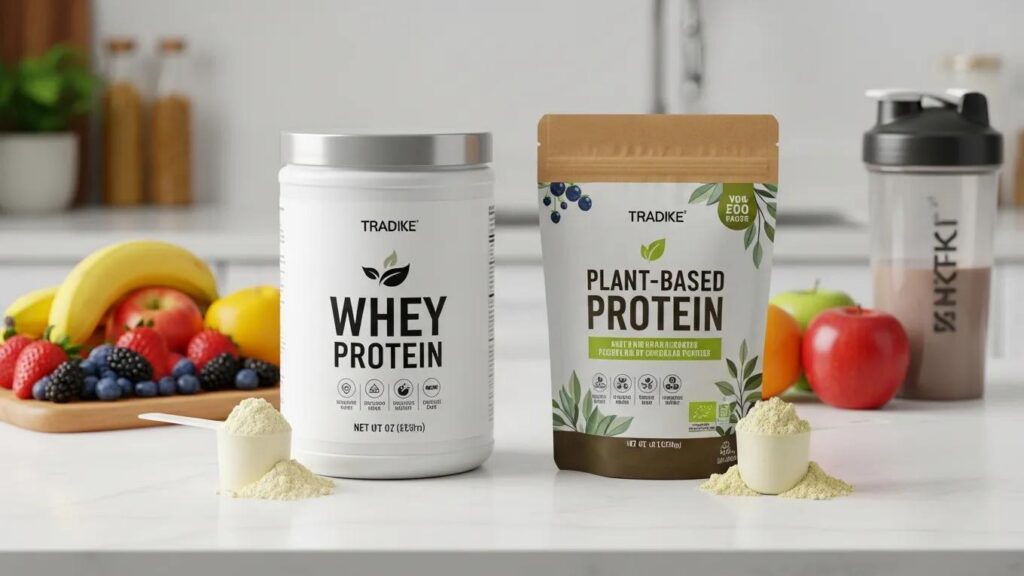
When comparing a Vegan Protein Blend listing with the current Impact Plant Protein range, check the product label carefully. Look at the protein sources, protein per serving, sweeteners and allergen information rather than assuming that products with similar names have identical formulations.
This is particularly important when purchasing through older listings, third-party retailers or international marketplaces.
Understanding Different Plant-Based Protein Sources
Not all vegan protein powders use the same ingredients. Each plant protein has a different nutritional profile, taste and texture.
Pea Protein
Pea protein is a popular plant-based ingredient because it provides a substantial amount of protein and contains several essential amino acids. It is often used in vegan protein blends and can suit people avoiding dairy.
Fava Bean Protein
Fava bean protein is another plant-derived ingredient that can complement pea protein. Combining the two helps provide a balanced essential amino acid profile, making it useful in blended formulations.
Soy Protein
Soy protein is a complete plant protein containing all nine essential amino acids. It is widely used in sports nutrition and can be a suitable option for people who tolerate soy. However, those with a soy allergy should avoid it.
Rice Protein
Rice protein is another dairy-free option. It is sometimes combined with pea protein because the two sources can complement each other’s amino acid profiles.
For shoppers comparing plant-based supplements, a blended formula can be a practical way to obtain a broad amino acid profile without purchasing multiple individual powders.
Myprotein Vegan Protein vs Whey Protein: What’s the Difference?
Both plant-based protein and whey can help people meet their daily protein requirements. The main difference is their source and nutritional composition.
| Feature | Impact Plant Protein | Whey Protein |
|---|---|---|
| Protein source | Pea and fava bean | Milk |
| Suitable for vegans | Yes | No |
| Dairy content | Dairy-free formulation | Contains milk-derived protein |
| Amino acid profile | Complete blend | Complete protein |
| Best suited to | Vegan and dairy-free diets | People who consume dairy |
| Common use | Everyday nutrition and recovery | Everyday nutrition and recovery |
Impact Plant Protein is a useful alternative for people avoiding dairy, while whey remains a popular option for those who tolerate milk-based supplements.
The choice does not need to be based on the assumption that one source is automatically superior. Total protein intake, overall diet and training consistency are more important.
How to Choose the Best Vegan Protein Powder in the UK
Choosing a vegan protein powder involves more than checking whether the packaging says plant-based. The protein source, serving size, ingredients and suitability for your diet all matter.
Consider these factors when comparing Myprotein products:
- Protein per serving: Compare the actual protein content rather than relying on scoop size alone.
- Protein sources: Look for clearly identified ingredients such as pea, fava bean, soy or rice protein.
- Amino acid profile: Blended plant proteins can provide all nine essential amino acids.
- Sugar and calorie content: Compare nutritional values across flavours, especially if you are monitoring your overall intake.
- Allergen information: Check for soy and other potential allergens. A vegan product is not automatically suitable for every allergy.
- Texture and flavour: Plant proteins can differ in thickness and mixing characteristics. Consider trying a smaller pack or sample first.
- Cost per serving: Compare the amount of protein provided against the price rather than judging value by pack size.
Myprotein’s UK product information also identifies the manufacturing environment and potential cross-contact considerations. If you have a serious allergy, review the latest packaging and contact the manufacturer when necessary.
How to Use Myprotein Plant Protein in Your Daily Routine
Plant protein powder is a convenient supplement, but it should form part of a varied diet rather than replace everyday meals.
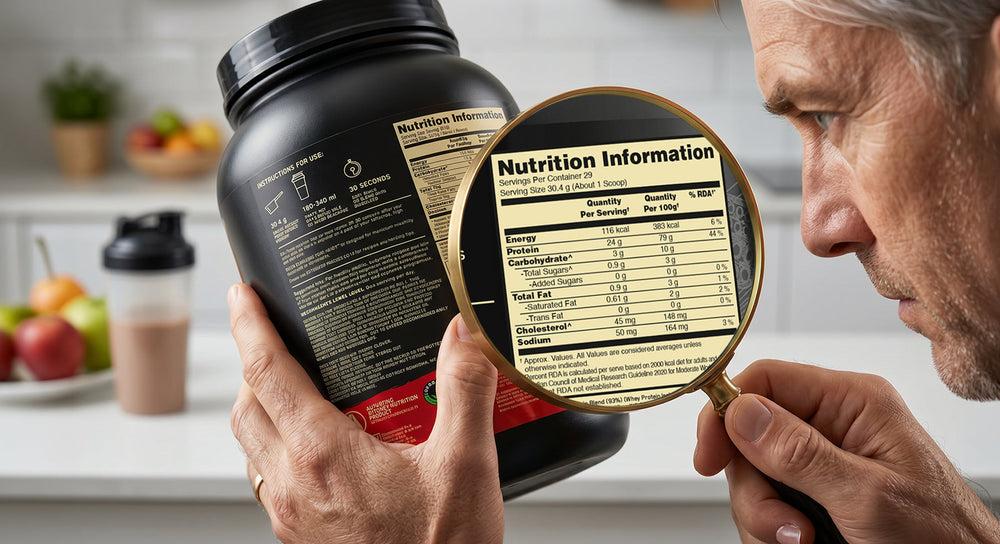
Here are some practical ways to use Impact Plant Protein:
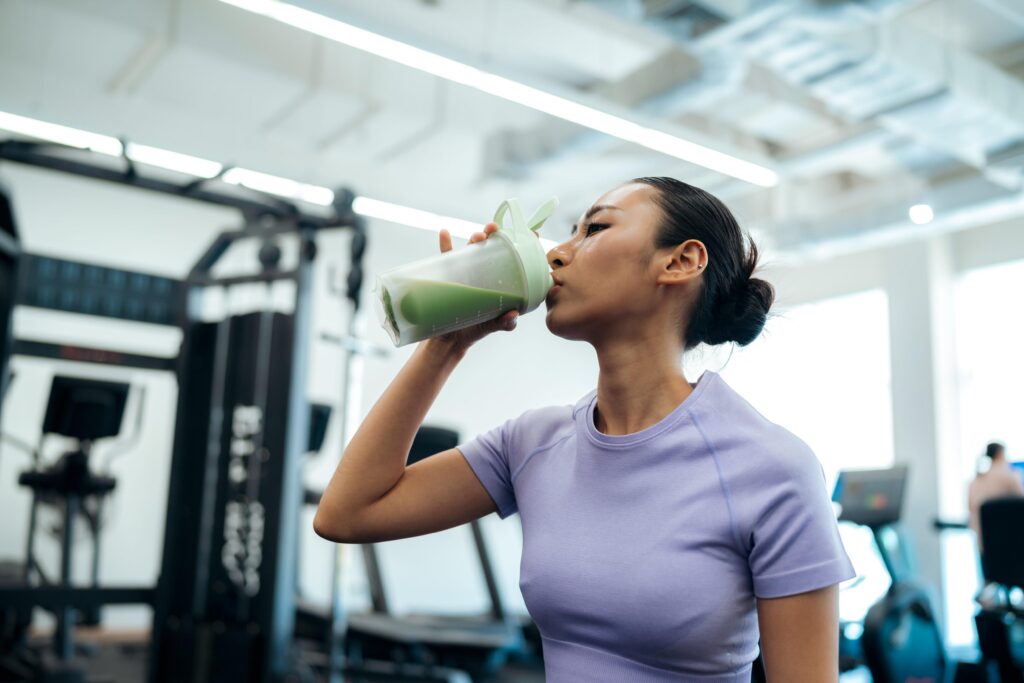
After exercise: Mix a serving with water or plant-based milk when you need a convenient protein source after strength training or a fitness session.
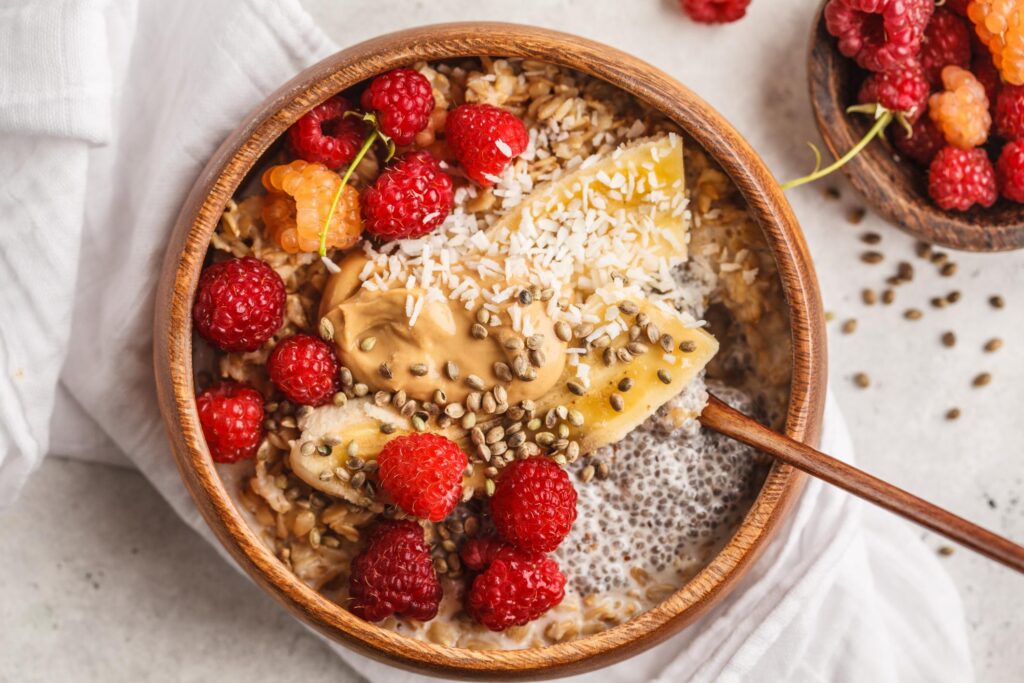
At breakfast: Add it to overnight oats, porridge or a smoothie for a more protein-rich start to the day.
Between meals: Use a shake as a convenient snack when your daily schedule makes a full meal difficult.
In recipes: Add unflavoured protein powder to suitable pancake mixtures, homemade energy snacks or other recipes.
On rest days: Continue using protein powder if it helps you meet your daily protein requirements. Muscle maintenance and recovery continue even when you are not training.
For active adults, protein requirements vary according to body weight, exercise and fitness goals. Include other vegan protein sources such as lentils, chickpeas, tofu, tempeh, beans, nuts and seeds throughout the day.
FAQs About Myprotein Vegan Protein
What is the best vegan protein powder from Myprotein?
Impact Plant Protein is Myprotein’s main plant-based protein option in the UK. Its pea and fava bean blend provides around 22g of protein per serving in flavoured varieties and up to 24g in the unflavoured version.
Is Myprotein Impact Plant Protein suitable for vegans?
Yes. Myprotein identifies Impact Plant Protein as 100% plant-based and suitable for vegans. Always check the latest packaging for ingredient and allergen information.
Does plant-based protein contain all nine essential amino acids?
Some individual plant proteins have lower amounts of certain essential amino acids. However, combining complementary sources such as pea and fava bean protein can provide all nine essential amino acids.
Is vegan protein as effective as whey protein?
Plant-based and whey protein can both contribute to muscle growth and maintenance when consumed as part of an appropriate diet. Protein source, serving size and overall daily intake are important considerations.
Can I use vegan protein powder every day?
Yes, provided the product is suitable for your dietary needs and you follow the recommended serving instructions. It can be used on training and rest days to help meet your daily protein requirements.
Is Myprotein Impact Plant Protein dairy-free?
The current Impact Plant Protein formulation is described as dairy-free and suitable for vegans. However, it is manufactured in a facility that also handles milk, so people with serious allergies should review the latest allergen guidance.
Final Thoughts
Finding the best vegan protein powder in the UK means choosing a product that fits your dietary requirements, training routine and nutritional goals. Myprotein Impact Plant Protein offers a convenient pea and fava bean blend, with a complete amino acid profile and a choice of flavours.
Whether you’re following a vegan diet, avoiding dairy or simply exploring plant-based nutrition, compare protein content, ingredients, allergens and serving costs before purchasing. Combine your supplement with a varied diet containing beans, lentils, tofu, wholegrains, nuts and seeds to support your everyday protein intake. Explore Myprotein’s plant-based range to find an option that fits your routine.