The hemp industry is entering a period where earning consumer trust matters just as much as developing new products. As hemp-derived products become more visible across online stores and retail markets, shoppers are asking more questions about what they are buying. They want to understand the ingredients, cannabinoid content, laboratory results, manufacturing practices and potential risks before making a purchase.
This shift is changing how hemp businesses communicate with their customers. Instead of relying entirely on attractive packaging and promotional claims, brands are increasingly expected to provide evidence that supports what they say.
For retailers such as LIT Farms, making product information and laboratory documentation accessible is an important part of this changing customer experience. Its online store features hemp-derived THCA flower and beverages, with a dedicated Certificates of Analysis library that allows shoppers to examine available testing reports.
Consumer transparency is no longer simply a marketing advantage. It is becoming an important part of responsible business practices and long-term credibility.
Why Is Consumer Transparency Becoming More Important in the Hemp Industry?
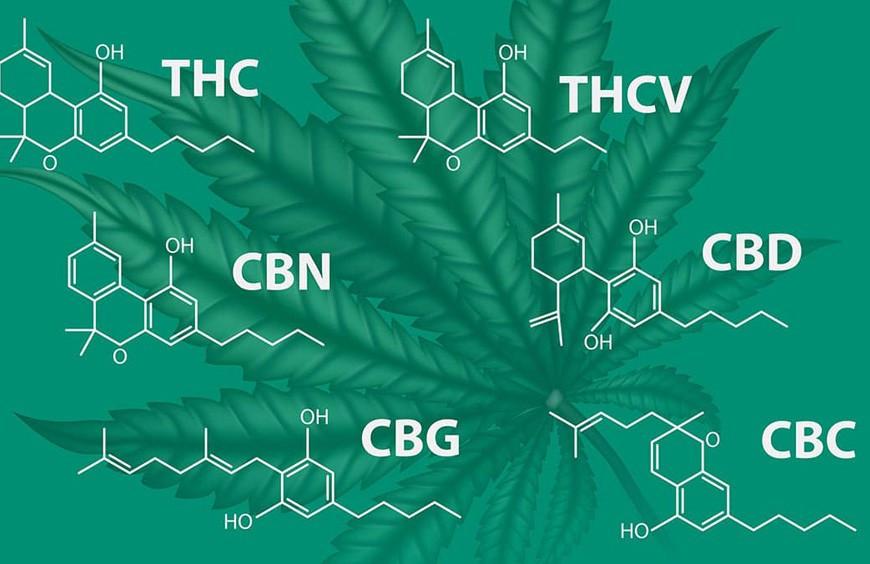
Consumer transparency is becoming more important because hemp products can vary significantly in composition, quality and regulatory status. Shoppers need reliable information to distinguish between products and understand what they are purchasing.
The hemp market includes products such as CBD oils, topical formulations, hemp-derived cannabinoid products, THCA flower and industrial hemp materials. These categories have different characteristics, intended uses and regulatory considerations.
For consumers, the terminology can be confusing. A product described as hemp-derived does not automatically tell someone how it was manufactured, which cannabinoids it contains or whether it complies with applicable laws.
Greater access to information helps address this uncertainty. When brands publish detailed product descriptions, laboratory reports and ingredient information, customers have a better opportunity to evaluate products independently.
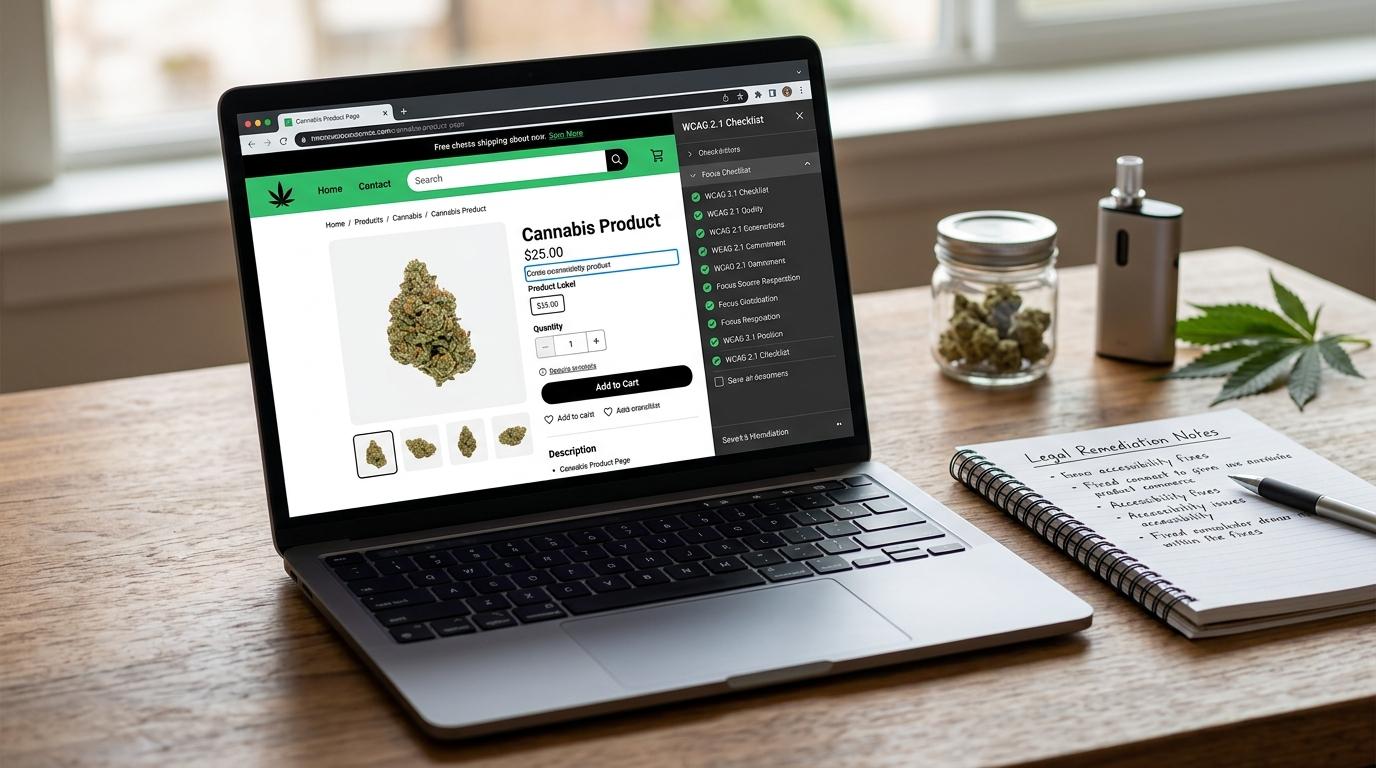
This is particularly relevant when shopping online, where customers cannot physically inspect a product before purchasing. A detailed product page, accessible laboratory report and clear disclosure of restrictions can help bridge that information gap.
LIT Farms, for example, provides product listings that include cannabinoid information and links to available certificates. This gives customers a starting point for examining the details behind its THCA flower offerings instead of relying exclusively on product descriptions.
How Are Certificates of Analysis Changing Hemp Product Purchases?
Certificates of Analysis (COAs) are laboratory reports that provide information about the chemical composition of a tested sample. They allow consumers to examine certain product characteristics rather than relying exclusively on a manufacturer’s description.

A COA may include several important details:
- Cannabinoid profile: The measured concentrations of cannabinoids such as CBD, THC and THCA.
- Potency results: Information about the quantities of specific compounds detected in the sample.
- Contaminant screening: Results for substances such as pesticides, heavy metals, residual solvents and microbial contaminants, when those tests are included.
- Laboratory information: The testing facility, analytical methods and date of analysis.
- Sample identification: Product names, batch numbers or other identifiers that help connect a report with the tested material.
However, a COA should not be treated as a universal guarantee of product quality or safety. Its value depends on the laboratory, testing methods, sample handling, date and scope of the analysis.
Consumers should also check whether the report corresponds to the actual product batch they intend to purchase. A report for an older batch may not accurately represent a newer one.
This is where LIT Farms’ COA library becomes relevant. The brand provides a dedicated page for its flower and drink certificates. Customers can browse available THCA flower reports and access certificates for selected beverages, including its 10mg Passion Fruit, Lemon Lime and Classic Lemonade Seltzers.
The brand also explains that flower certificates can change as batches change and directs customers to the relevant product page for the latest information. This is a useful detail because it encourages shoppers to check current documentation rather than assume an older report applies indefinitely.
Why Does Third-Party Laboratory Testing Matter?
Third-party laboratory testing provides an additional layer of verification because the analysis is conducted outside the brand’s own marketing and product development teams.
Independent testing can help businesses verify cannabinoid concentrations and identify certain contaminants. It also gives customers access to information that may otherwise be difficult to assess from a product’s appearance or description.
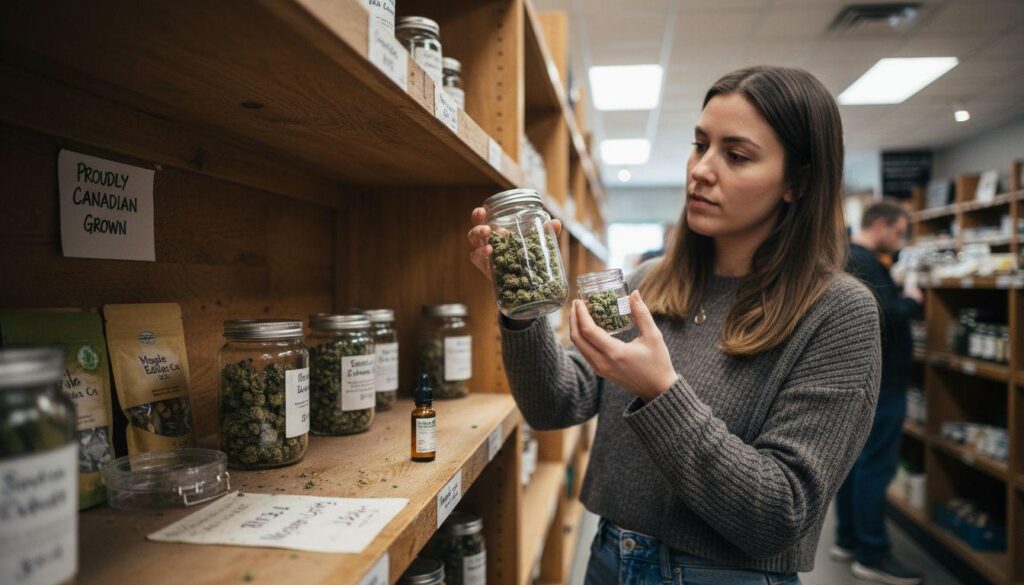
The quality of testing matters, though. A laboratory report is only useful when the testing process is appropriate for the product and the results are accurately reported.
Consumers can look for details such as:
- The laboratory’s identity and credentials.
- The analytical methods used.
- The sample collection and testing dates.
- The batch or lot number.
- The specific substances included in the analysis.
- Whether the report covers potency, contaminants or both.
It is also important to understand that different tests examine different characteristics. A cannabinoid potency report does not necessarily mean the product has been screened for pesticides, heavy metals or microbial contamination.
LIT Farms highlights third-party testing on selected product pages. For example, its GMO THCA Flower and Perma-LIT THCA Flower listings describe testing that includes cannabinoid content, terpenes, residual solvents, pesticides and heavy metals. Customers can access the corresponding product certificates to examine the available results.
The exact testing scope should still be checked for each product. A report should be evaluated on its actual contents, not simply on the presence of a third-party testing statement.
How Is Clear Product Labelling Improving Consumer Confidence?
Clear labelling helps consumers understand a product before they purchase it. It reduces confusion, makes product comparisons easier and gives customers essential information without requiring them to search through multiple pages.
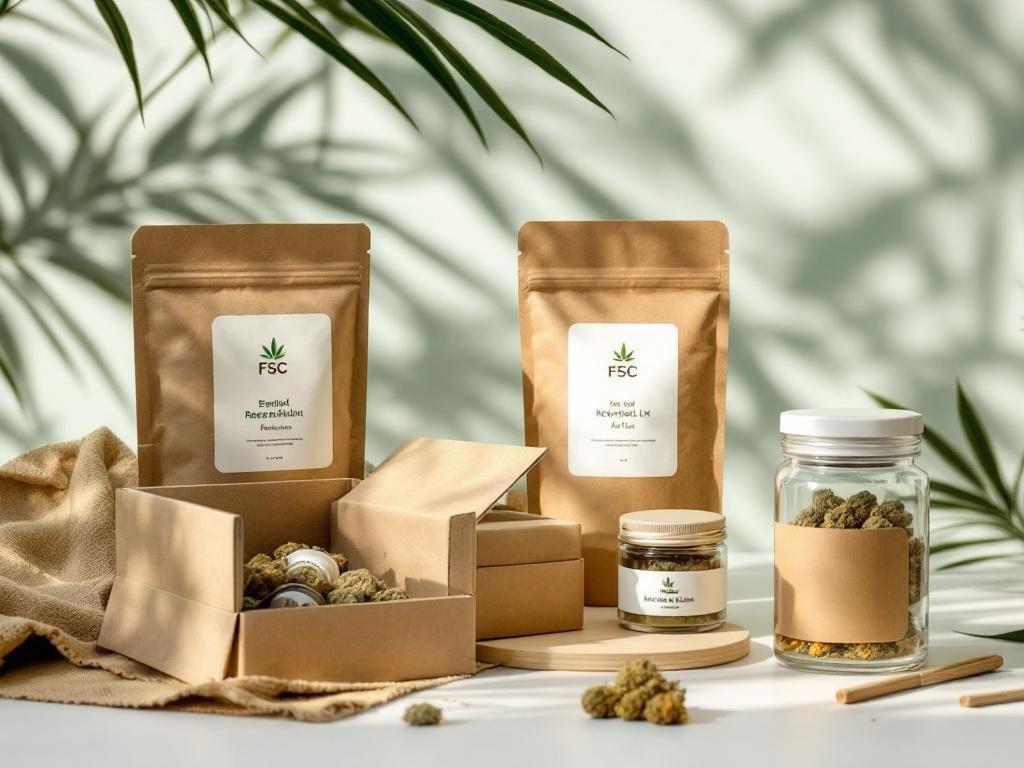
For hemp-derived products, useful label information may include:
- Product name and category.
- Full ingredient list.
- Cannabinoid content and quantities.
- Serving or usage information, where applicable.
- Net quantity and relevant product specifications.
- Manufacturer or distributor details.
- Appropriate warnings and storage instructions.
- Batch identification and access to laboratory reports.
Accurate cannabinoid information is particularly important. Terms such as CBD, delta-9 THC and THCA refer to different compounds, and they should not be used interchangeably.
Brands should also avoid vague descriptions that create unrealistic expectations. Claims about purity, potency, safety or performance should be supported by appropriate evidence.
LIT Farms provides cannabinoid information on its selected flower product pages alongside links to laboratory documentation. Its product listings also explain its three flower tiers:
- Supreme: The brand’s hand-selected top tier, described as featuring denser bud structure and greater trichome coverage.
- Preferred: A premium selection with a broader bud selection.
- Essential: A value-oriented option that can include smaller or more uniform buds.
The brand describes these tiers as different selections of flower, rather than separate cultivation methods for the same strain. Customers can compare the available options and then review the product-specific testing information.
This kind of product-level explanation makes it easier for shoppers to understand what a category or price difference represents. It also shows why clear descriptions should work alongside laboratory documentation rather than replace it.
Why Are Traceability and Supply Chain Transparency Becoming Important?
Traceability allows businesses and consumers to understand where a product comes from and how it moves through the supply chain.
Hemp products can pass through several stages before reaching customers, including cultivation, harvesting, processing, extraction, manufacturing, packaging and distribution. Each stage can affect the final product.
A transparent supply chain can help businesses maintain better records and investigate quality concerns when they arise.

Important traceability information may include:
- The source of the hemp material.
- Cultivation and harvesting records.
- Processing and extraction details.
- Manufacturing and packaging records.
- Batch numbers and production dates.
- Laboratory testing documentation.
- Storage and distribution information.
Traceability is particularly useful when a product is recalled, a batch produces unexpected laboratory results or a customer raises a quality concern.
For online hemp retailers, connecting product listings with batch-specific documentation is one practical way to make traceability more visible to shoppers. LIT Farms‘ approach of linking flower certificates to individual product pages and maintaining a central COA library gives customers a way to locate relevant testing information.
The brand’s note that certificates can change between batches also reinforces an important point: product documentation should be kept current. A report should not be treated as a permanent description of every future batch.
How Are Changing US Hemp Regulations Increasing the Need for Transparency?
Regulatory changes are making accurate product information increasingly important for hemp businesses operating in the United States.
The federal definition of hemp has historically relied on a limit of no more than 0.3% delta-9 THC on a dry-weight basis. However, legislation enacted in November 2025 introduced amendments that change the approach, including a total THC threshold and additional restrictions on certain hemp-derived cannabinoid products.
The implementation timetable has also changed. As of November 2026, certain exclusions involving cannabinoids that cannot naturally be produced by the cannabis plant took effect on November 12, while most remaining amendments have been delayed until December 11, 2026.
These changes make it especially important for businesses to review product formulations, cannabinoid profiles, labels and testing procedures. An older compliance approach may not provide all the information needed under the revised framework.
State requirements also matter. A product’s regulatory status can depend on where it is manufactured, distributed or sold. Federal and state rules should therefore be reviewed separately rather than assuming that one compliance assessment applies everywhere.
This is especially relevant to retailers selling hemp-derived THCA products. A product’s cannabinoid profile, manufacturing details and applicable legal definition can all affect its regulatory treatment. Consumers should not assume that a product is permitted everywhere simply because it is marketed as hemp-derived.
LIT Farms publishes shipping restrictions and product warnings on its website. Its product listings identify a minimum purchase age of 21 and specify states where certain products cannot be shipped. The brand also warns that THC-containing products may result in a failed drug test.
These disclosures are useful starting points for customers, but they do not replace checking current state and local laws. Regulatory changes may affect product availability and shipping eligibility, so shoppers should review the latest information before ordering.
How Can Consumers Evaluate a Hemp Brand’s Transparency?
Consumers can assess a hemp brand by looking beyond its promotional language and checking whether important product information is accessible, specific and consistent.

A useful starting point is the brand’s laboratory testing documentation. Look for batch-specific COAs and check whether the product name, sample information and testing dates match the item being considered.
It is also worth reviewing the ingredient list, cannabinoid quantities, product warnings and company contact information.
Here are some practical questions to ask:
- Does the brand provide accessible laboratory reports?
- Are the reports linked to identifiable product batches?
- Does the testing cover the relevant cannabinoids and contaminants?
- Are ingredients and cannabinoid quantities clearly explained?
- Does the company disclose applicable shipping restrictions?
- Are product claims supported by evidence?
- Can customers find clear information about the manufacturer or seller?
LIT Farms gives customers several ways to begin this evaluation. Its COA library brings together available flower and drink reports, while individual product pages provide additional descriptions and links to relevant certificates.
For example, someone comparing its THCA flower options can review the product listing, examine the stated cannabinoid figures and open the available COA. The same process can be used to explore different cultivars and the brand’s Supreme, Preferred and Essential selections.
Consumers should still examine the actual report and confirm what it covers. A polished website, attractive packaging or large number of customer reviews cannot replace verifiable product information.
Transparency is strongest when the information is easy to find, current and straightforward to understand.
How Are Hemp Brands Responding to Changing Consumer Expectations?
Hemp brands are responding by making product documentation and testing information more accessible. Some publish COA libraries, while others link laboratory reports directly to individual product pages.
This approach gives shoppers a clearer route from a product description to the supporting documentation.
LIT Farms provides an example of this approach through its combination of product-specific certificates and a centralised testing library. Its flower listings include a route to the relevant COA, while its drinks section makes certificates available for selected beverage products.
The brand also provides product information beyond laboratory results. Its website communicates age requirements, shipping exclusions, THC-related warnings and FDA disclaimers explaining that its products have not been evaluated to diagnose, treat, cure or prevent disease.
These details matter because transparency should cover more than cannabinoid content. Customers also need to understand relevant product limitations, restrictions and warnings.
For shoppers interested in exploring the brand, the LIT Farms website provides access to its THCA flower and beverage offerings. Reviewing the product descriptions alongside the COA library gives customers a more complete starting point for evaluating the available information.
The broader lesson is simple: brands can build stronger credibility when they make it easier for customers to check the evidence behind their claims.
What Does the Future of Consumer Transparency Look Like in the Hemp Industry?
The future of hemp retail is likely to involve more accessible product data, stronger quality documentation and clearer communication about regulatory compliance.
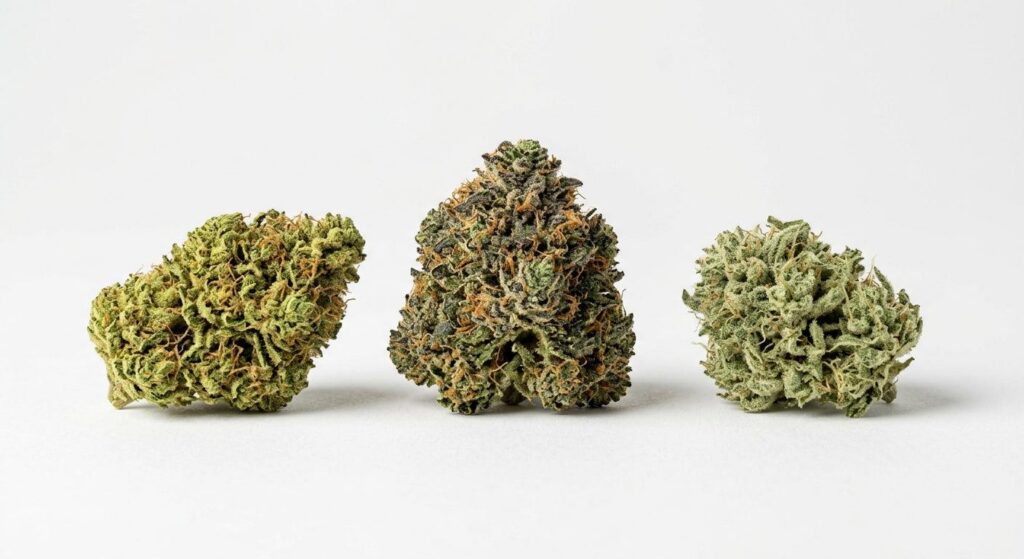
Several developments could shape this transition.
More accessible digital testing records: QR codes and product-page links can make batch-specific laboratory reports easier to access during the purchasing process. LIT Farms’ use of product-level COA links illustrates how this can be incorporated into an online shopping experience.
More detailed product information: Consumers may increasingly expect clear cannabinoid breakdowns, ingredient disclosures and explanations of testing methods.
Improved supply chain documentation: Better batch tracking and production records can help businesses demonstrate accountability throughout the manufacturing process.
More responsible marketing: Brands that avoid exaggerated claims and explain product limitations clearly may build stronger long-term relationships with customers.
Greater attention to regulatory changes: As federal and state requirements evolve, businesses will need to keep product descriptions, testing procedures and sales restrictions up to date.
For brands like LIT Farms, maintaining accessible and current product documentation will remain important as consumer expectations and regulatory requirements change. A COA library is a useful starting point, but its long-term value depends on keeping reports relevant to the products and batches being sold.
These developments will not eliminate every quality or compliance concern. However, they can make it easier for consumers to compare products and make informed decisions.
Final Thoughts
Consumer transparency is changing the hemp industry by shifting attention from marketing promises to verifiable product information. Laboratory reports, accurate labelling, supply chain traceability and clear regulatory disclosures are becoming important parts of how businesses establish credibility.
For consumers, this means having more opportunities to examine what they are purchasing. For brands, it creates a responsibility to communicate honestly and maintain documentation that supports their claims.
LIT Farms demonstrates how a hemp retailer can make transparency part of the shopping experience through product-specific COAs, a dedicated laboratory report library, detailed flower listings and clear customer disclosures. For shoppers exploring its hemp-derived THCA flower and beverage offerings, these resources provide a useful starting point for understanding the available product information.
As the market and regulatory environment continue to evolve, businesses that treat transparency as an ongoing commitment rather than a promotional feature will be better positioned to earn lasting consumer trust.