
A healthy digestive system plays an important role in nutrient absorption, regular bowel movements and overall wellbeing. If you’re exploring ways to support your gut, iHerb offers a broad selection of probiotics, prebiotic fibres, digestive enzymes and other wellness supplements from established nutrition brands.
This iHerb gut health guide explains the difference between probiotics and prebiotics, highlights popular supplement categories to explore, and shares practical tips for choosing digestive wellness products. Whether you’re looking for a daily probiotic, a fibre supplement or a more balanced approach to digestive health, understanding the ingredients can help you make a more informed choice.
Understanding Probiotics, Prebiotics and Gut Health

Probiotics are live microorganisms that may provide health benefits when consumed in appropriate amounts. Prebiotics are types of fibre that feed beneficial microorganisms already living in the digestive system. Together, they can form part of a broader approach to supporting the gut microbiome.
Probiotics commonly contain bacteria from the Lactobacillus and Bifidobacterium groups, while some products use beneficial yeasts such as Saccharomyces boulardii. Prebiotic ingredients include inulin, fructooligosaccharides (FOS) and galactooligosaccharides (GOS).
Products combining probiotics and prebiotics are often described as synbiotics. However, taking a combination supplement is not essential for everyone. A varied, fibre-rich diet can also support a healthy gut environment.
Best Probiotic Supplements to Explore on iHerb
The best probiotic depends on the strains included, the intended use and individual digestive needs. Rather than choosing a product simply because it advertises a high number of live cultures, look for clearly identified strains and useful product information.
Popular probiotic options and brands to explore on iHerb include:
California Gold Nutrition LactoBif Probiotics: Products in this range combine Lactobacillus and Bifidobacterium strains. They may appeal to shoppers looking for a multi-strain supplement for general digestive wellness.
NOW Foods Probiotic-10: This multi-strain formula features a selection of probiotic microorganisms. It is an option to investigate if you prefer a product containing several bacterial strains rather than a single-strain formula.

Jarrow Formulas Saccharomyces Boulardii: This supplement uses a beneficial yeast rather than a conventional bacterial blend. Saccharomyces boulardii has been studied in particular digestive-health contexts, although results depend on the specific formulation and use.
Garden of Life Dr. Formulated Probiotics: The range includes different probiotic formulations, making it worth comparing strain combinations, serving sizes and storage instructions before choosing.
These products should not be treated as interchangeable. Evidence for one probiotic strain does not automatically apply to another, even when both products belong to the same bacterial family.
Prebiotic Supplements and Fibre for Everyday Digestive Wellness
Prebiotics provide nourishment for beneficial gut microorganisms. Increasing fibre intake gradually is one of the most practical ways to support digestive health, and supplements can be useful when dietary intake is insufficient.
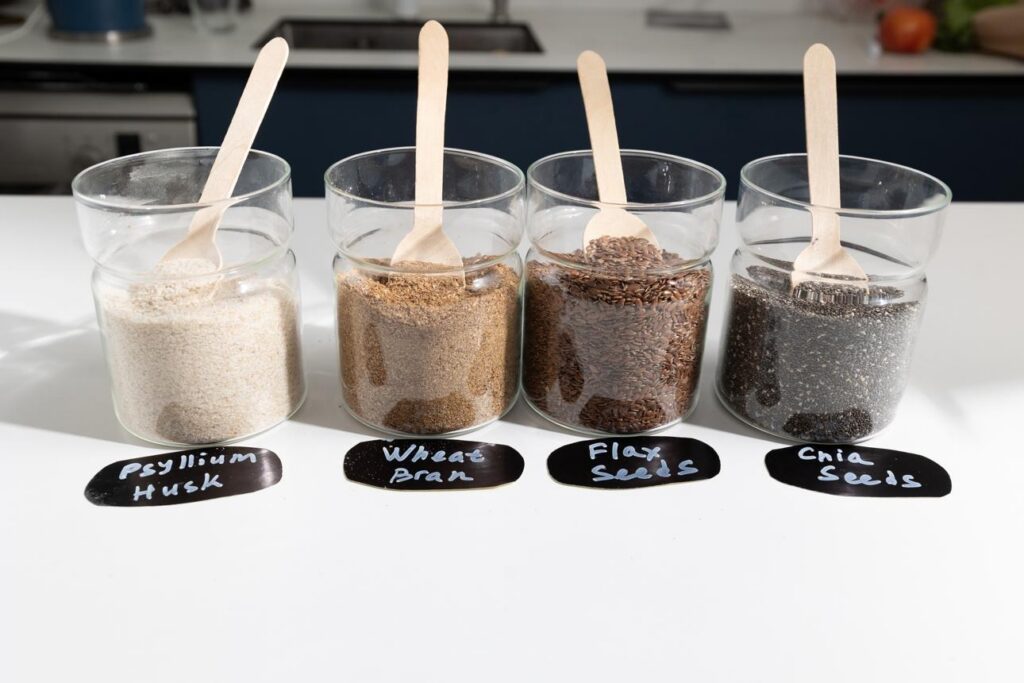
iHerb offers several types of fibre and prebiotic products to explore:
NOW Foods Inulin: Inulin is a fermentable prebiotic fibre found naturally in foods such as chicory root, onions and garlic. Supplement forms can help increase fibre intake, but introducing too much too quickly may cause gas or bloating.
Sunfiber: Made with partially hydrolysed guar gum, Sunfiber is a soluble fibre option that can be mixed into drinks or foods. It may suit people looking for a convenient way to increase their daily fibre intake.
Yerba Prima Psyllium Husk: Psyllium is a soluble fibre that absorbs water and forms a gel-like substance. It is commonly used to support bowel regularity and can be a useful option for people who need additional dietary fibre.
Prebiotic fibre blends: Some products combine ingredients such as inulin, FOS and other soluble fibres. Check the ingredient list and serving size, particularly if you are sensitive to fermentable carbohydrates.
Increase fibre gradually and drink enough fluid. People with persistent digestive symptoms or a diagnosed gastrointestinal condition should seek tailored advice before introducing concentrated fibre supplements.
Digestive Enzymes and Other Gut Health Products
Digestive enzymes help break down components of food, including carbohydrates, proteins and fats. Some supplements combine several enzymes to support the digestion of different food types.
On iHerb, shoppers can explore products from brands such as NOW Foods, Enzymedica and Doctor’s Best. Formulations may contain enzymes such as amylase, protease, lipase and lactase.
Lactase supplements are designed to help digest lactose, the natural sugar in milk. They may be useful for some people with lactose intolerance when taken as directed, although they do not treat every cause of digestive discomfort.

Other digestive wellness categories include:
- Ginger supplements: Commonly used in digestive wellness products and traditionally associated with digestive comfort.
- Peppermint oil: Certain preparations have been studied for IBS symptoms, but enteric-coated formulations and professional guidance may be important.
- Digestive support blends: Combination formulas may include enzymes, herbal ingredients or other nutrients. Review each ingredient rather than relying on broad digestive-health claims.
Supplements should complement appropriate dietary choices and medical advice, not replace treatment for an underlying digestive condition.
How to Choose the Best Probiotics in the UK
Choosing a probiotic requires more than comparing the number of bacteria listed on the packaging. The strain, formulation, quality information and intended purpose all matter.
Use these points when comparing options on iHerb:
- Check the strain details: Look for the genus, species and specific strain where available. Research findings are often strain-specific.
- Compare CFU information: Colony-forming units indicate the number of viable microorganisms. A higher CFU count does not automatically mean a product is more effective.
- Review storage instructions: Some probiotics require refrigeration, while others are designed to remain stable at room temperature.
- Check the expiry date: Choose products with clear expiry information and follow the manufacturer’s storage guidance.
- Consider additional ingredients: Check for prebiotic fibres, sweeteners, allergens and ingredients that may trigger digestive discomfort.
- Read serving instructions: Follow the recommended dosage rather than taking extra capsules in the hope of getting better results.
For UK shoppers, it is also sensible to check product availability, delivery arrangements and any applicable import charges before ordering from iHerb.
Everyday Habits That Support a Healthy Gut
Supplements are only one part of digestive wellness. A balanced diet and consistent daily habits provide the foundation for a healthy gut.
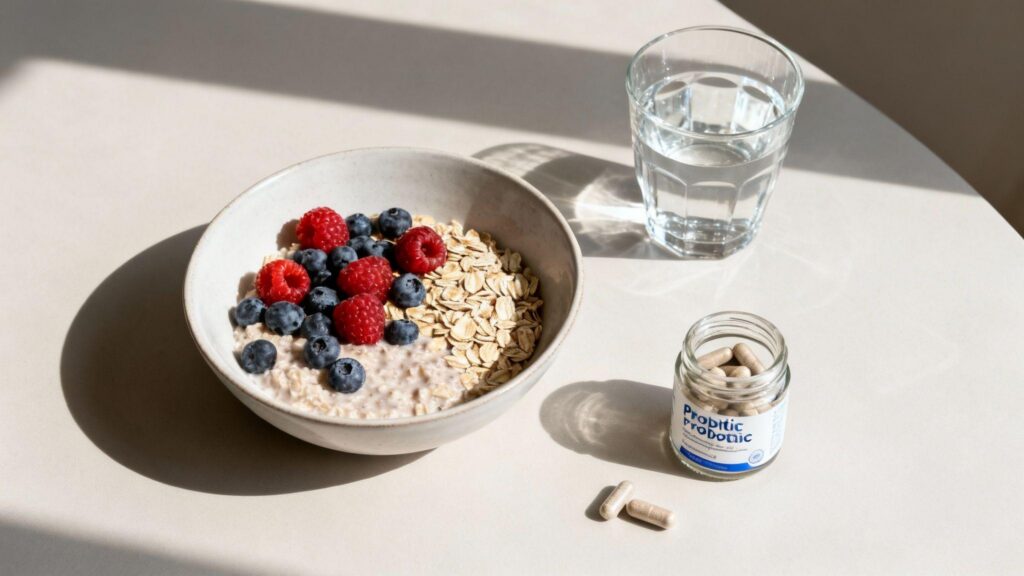
Include a variety of fibre-rich foods such as oats, beans, lentils, vegetables, fruit, nuts and wholegrains. Fermented foods, including live yoghurt, kefir, kimchi and sauerkraut, can also add variety to meals.
Other helpful habits include drinking enough water, eating at regular times, staying physically active and getting sufficient sleep. If certain foods repeatedly trigger bloating or discomfort, keeping a food diary can help identify patterns.
People with ongoing diarrhoea, constipation, abdominal pain or unexplained changes in bowel habits should seek medical advice rather than relying on supplements alone.
FAQs About Probiotics and Gut Health
What are the best probiotics available on iHerb?
Options to explore include California Gold Nutrition LactoBif, NOW Foods Probiotic-10, Jarrow Formulas Saccharomyces Boulardii and Garden of Life Dr. Formulated Probiotics. The right choice depends on the specific strains, intended use and individual needs.
What is the difference between probiotics and prebiotics?
Probiotics are live microorganisms that may provide health benefits, while prebiotics are fibres that feed beneficial microorganisms in the gut. Both can form part of a balanced digestive wellness routine.
Are high-CFU probiotics always better?
No. A higher CFU count does not automatically make a supplement more effective. The specific strains, dose, product quality and evidence for the intended use are more important than the number alone.
Can I take probiotics and prebiotics together?
Some supplements combine both ingredients and are known as synbiotics. They can also be taken separately, but not everyone needs a supplement. Introduce fibre gradually to reduce the chance of bloating or gas.
How long should I try a probiotic?
The appropriate period depends on the product and reason for taking it. UK guidance suggests that people with IBS who choose to try probiotics should monitor their response over at least four weeks. If symptoms persist or worsen, seek professional advice.
Are probiotic supplements suitable for everyone?
Most healthy adults tolerate probiotics, although mild gas or bloating can occur. People with weakened immune systems, serious underlying conditions or significant illness should consult a healthcare professional before using them.
Final Thoughts
Supporting digestive wellness starts with understanding what your body needs. Probiotics, prebiotic fibres, digestive enzymes and other supplements available through iHerb offer different approaches, but no single product works for everyone.
For UK shoppers comparing the best probiotics, focus on clearly identified strains, sensible CFU information, ingredient quality and appropriate storage instructions. Pair any supplement with a varied, fibre-rich diet and healthy everyday habits. Explore iHerb’s gut health range to compare products from California Gold Nutrition, NOW Foods, Jarrow Formulas, Garden of Life and other established brands, and choose options that suit your individual needs.